Emergency Dentist Ventura Solutions for Broken Braces and Wires
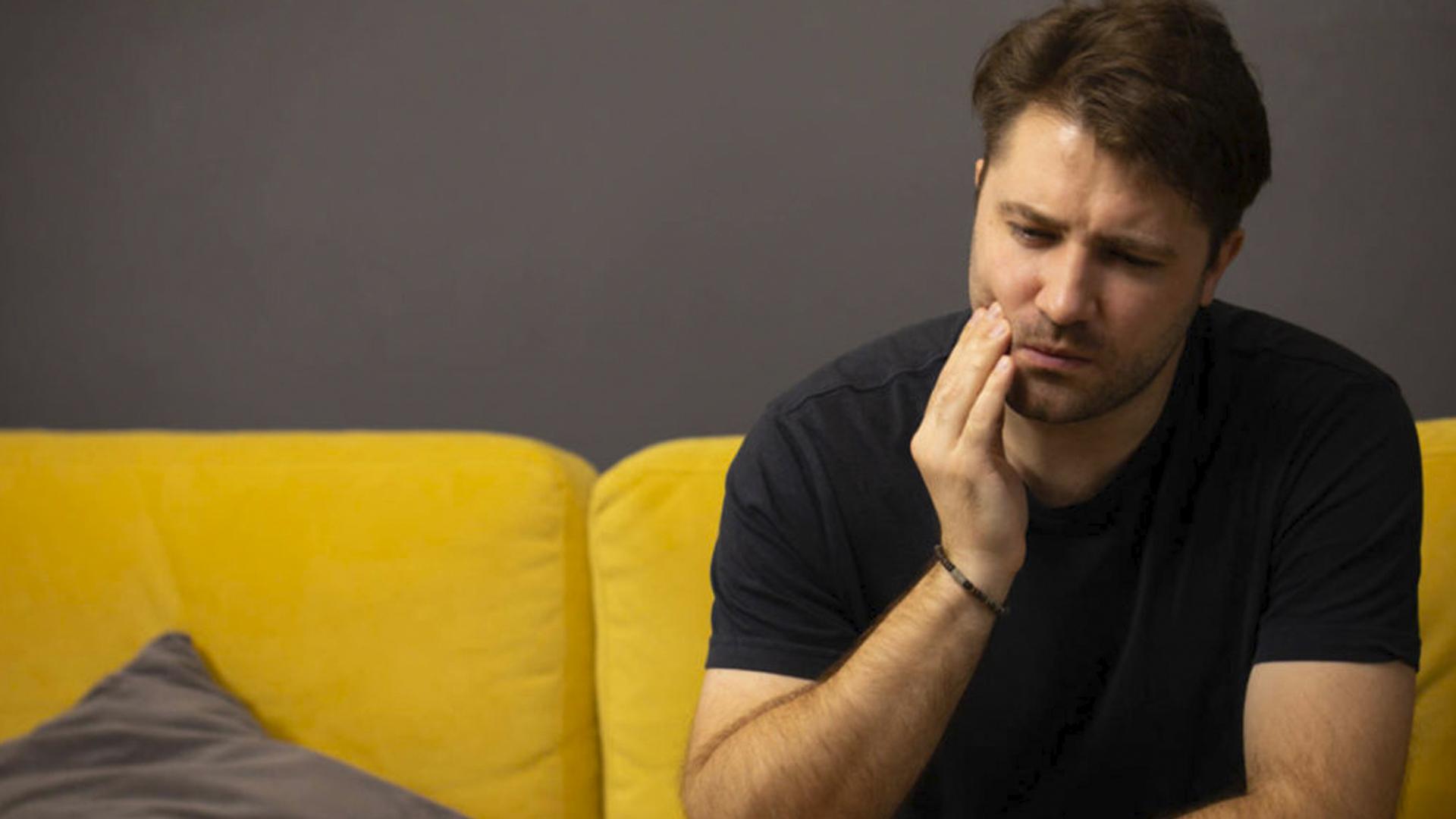
Orthodontic treatment rarely follows a perfectly smooth path. Brackets loosen, wires shift, elastics snap, and sometimes a bite that felt fine in the morning starts scraping the inside of your cheek by dinner. Most braces problems are not dangerous, but they can become painful fast. When a wire is poking your gums or a bracket has rotated and started rubbing against your lip, waiting a few days can feel much longer than it sounds.
That is where an Emergency Dentist Ventura patients can reach matters. Not every broken brace requires a trip to the hospital, and not every orthodontic issue can wait until the next routine adjustment. The real skill lies in knowing the difference, protecting the teeth and soft tissue at home, and getting the right kind of professional help before a small problem turns into a bigger interruption in treatment.
People often assume orthodontic emergencies are mostly cosmetic. In practice, they can affect comfort, speech, eating, and oral hygiene almost immediately. A loose bracket may trap food and plaque around a tooth that was previously easy to clean. A bent archwire can create constant friction, which leads to raw tissue in a day or two. If the hardware shifts enough, it can also start moving teeth in unintended ways. Those are not reasons to panic, but they are good reasons to act promptly and sensibly.
What counts as a braces emergency
The word emergency can mean different things in dentistry. A life threatening emergency is one thing. A same day dental emergency is another. With braces and wires, most situations fall into the second category. They usually need prompt attention from a dentist or orthodontic provider, but they do not call for the emergency room unless there is severe trauma, uncontrolled bleeding, trouble breathing, or a medical issue that extends beyond the mouth.
A true orthodontic urgent problem often looks like persistent pain from a displaced wire, a bracket that has come off and is hanging on the wire, swelling around a tooth that is under active movement, or hardware that has shifted after an injury. I have also seen patients come in because a wire slid far enough to jab the back of the cheek near the molars, making it almost impossible to close comfortably. That kind of pain can escalate overnight because the tissues swell around the point of irritation.
On the other hand, a lost elastic or mild soreness after an adjustment usually does not require immediate intervention. It is inconvenient, sometimes annoying, but not always urgent. Knowing where your situation falls on that spectrum helps you make a better decision at 8 p.m. On a Friday when the office phone rolls to voicemail.
The most common broken braces problems, and why they happen
Braces are designed to handle constant force, but they are not indestructible. Most breakages come from one of three causes: food, trauma, or wear over time. Hard foods remain the most common culprit. Popcorn kernels, ice, crusty baguettes, whole apples bitten straight on, and nuts can all stress brackets and wires more than patients expect. Sports injuries come next, especially when a mouthguard is not used. Then there is simple fatigue. A wire can migrate, a tie can loosen, or a bracket bond can fail even when a patient has been careful.
A bracket that detaches from the tooth surface can stay trapped on the wire and rotate. When that happens, the bracket itself becomes a sharp little block, scraping the lip or inner cheek. A broken wire can behave differently depending on where the break occurs. Near the front teeth, it may feel rough or unstable. Near the back, it often turns into a needle like poke that keeps catching soft tissue. Bands around molars can also loosen, which patients usually notice because the back tooth suddenly feels bulky, sore, or oddly mobile even though the tooth itself is not moving.
Clear aligner patients are not immune to urgent problems either, but traditional braces produce the classic emergencies people associate with orthodontics. Wires and brackets create more possibilities for mechanical failure, which is one reason emergency dental access is so valuable during treatment.
First things first, stay calm and do a quick assessment
When braces break, the first minutes matter less for heroic action and more for a https://maps.app.goo.gl/ChfJKu9PFXzaNGje8 clear look in the mirror. Good light helps. So does a little rinse with warm water to remove debris and calm irritated tissue. Try to identify whether the issue is a bracket, a wire, a band, or simple soft tissue irritation from a part that is technically still intact.
If there has been trauma, especially a fall, sports injury, or impact to the mouth, focus first on the teeth themselves. A knocked loose tooth, heavy bleeding, facial swelling, or difficulty opening the jaw shifts the situation beyond routine orthodontic troubleshooting. Braces can distract from the more serious injury underneath. I have seen patients fixate on the bent wire while missing the fact that one front tooth had become mobile from the blow.
For everyday breakages without major trauma, temporary home care usually buys time safely. The goal is not to repair the braces yourself. The goal is to reduce pain, protect the tissues, and keep the hardware from causing further damage until you can be seen.
Safe steps you can take at home before your appointment
Use a clean, practical approach. The simplest interventions are often the best.
- Rinse with warm salt water to soothe irritated tissue and clear away food around the broken area.
- Apply orthodontic wax over a poking wire or rough bracket edge if you have it. If not, sugar free gum can work briefly in a pinch, though wax is better.
- If a wire has slid and is sticking out, use a clean cotton swab or the eraser end of a pencil to gently nudge it into a less painful position.
- Eat soft foods and chew away from the affected side until a dentist or orthodontic provider evaluates the braces.
- Use over the counter pain relief, if appropriate for you, according to the label directions.
Patients sometimes ask whether they should cut the wire at home. My advice is cautious. Unless you have explicit guidance from your dental office and the right small tool, it is usually better not to. Clipping a wire can create a swallowed fragment risk, and it is surprisingly easy to lose control of the cut end. A family member leaning over a bathroom sink with nail clippers is not the ideal setup for precision work inside a moving mouth. There are exceptions, especially in remote situations, but they should be guided by a professional whenever possible.
What not to do when braces break
The second half of good home care is restraint. Some quick fixes create more problems than the original break. Super glue is a hard no. So are household pliers, aggressive bending, or trying to remove attached hardware by force. Patients occasionally think they can pull a loose bracket off if it seems almost detached. That can damage the wire, stress neighboring teeth, or tear tissue if the bracket catches on the lip.
Do not ignore swelling that worsens, fever, foul taste, or pus near a tooth under orthodontic pressure. Those signs suggest something more than a simple hardware issue. Braces can coincide with dental infections, gum abscesses, or trauma related root problems. Pain from orthodontics has a familiar sore, tight quality. Infection tends to feel different, often more throbbing, more localized, and more persistent.
It is also worth avoiding crunchy comfort foods while you wait. People in pain often default to whatever is easy to grab, and that can be chips, crackers, or toast. Those foods are famous for turning mild irritation into a miserable cheek ulcer.
When to call an Emergency Dentist Ventura office right away
Some braces problems can wait until the next business day. Others deserve same day advice or care. If you are trying to decide whether to call, this short checklist helps.
- A wire is embedded in the cheek, gum, or tongue, or is causing continuous bleeding
- A bracket or band has come loose after trauma to the face or mouth
- You have swelling, signs of infection, or significant pain that does not improve with simple home care
- A piece of hardware has broken off and may have been swallowed or inhaled
- A tooth feels loose in a concerning way, especially after an accident
A dependable Emergency Dentist Ventura provider will usually tell you quickly whether you need urgent in office care, whether the issue can be stabilized at home overnight, or whether you should go directly to the hospital because the problem extends beyond dentistry. That guidance alone can lower stress considerably.
What happens during an emergency dental visit for broken braces
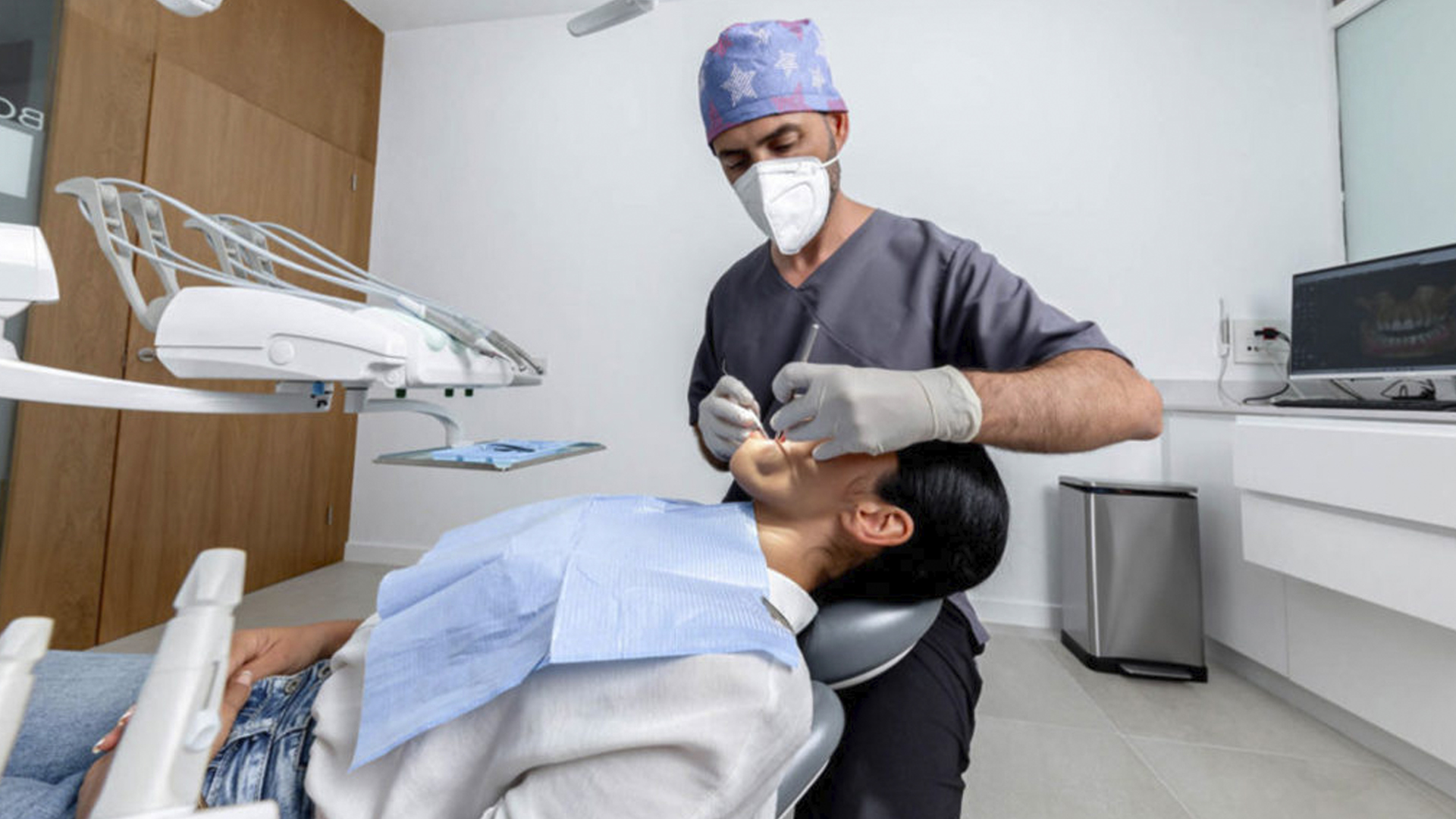
Patients often imagine that an emergency visit means a full orthodontic adjustment. Most of the time, it does not. The appointment is usually focused and practical. The clinician examines the braces, checks the teeth and surrounding tissue, looks for trauma, and then stabilizes the issue. That might mean trimming a long wire, reattaching a bracket if conditions allow, removing a loose piece, smoothing a sharp edge, or temporarily securing the hardware until your regular orthodontist can complete a more definitive repair.
If the problem follows an injury, the visit may also include checking the bite, testing tooth sensitivity, or taking radiographs to make sure the roots and bone are intact. That part matters more than patients expect. A bent bracket is obvious. A bruised tooth ligament or small fracture is not.
In some offices, especially those that routinely manage urgent care, the team will communicate with your orthodontist so the repair stays consistent with your treatment plan. That coordination is helpful because not every broken part should simply be glued back where it was. Sometimes the best short term solution is to make you comfortable and protect the tooth, then let your orthodontist decide on the proper wire sequence or bracket placement later.
Broken wires versus loose brackets, the treatment is not the same
To patients, all braces problems can feel similar because they all hurt and look wrong. Clinically, though, a loose bracket and a broken wire create different concerns.
A loose bracket is often a bonding problem. If the tooth surface is dry enough and the conditions are right, it may be rebonded. If not, the provider may secure it temporarily or remove it and have you return to your orthodontist. The decision depends on where the bracket sits, how much force is on that part of the arch, and whether immediate rebonding would hold.
A broken or protruding wire is more often about comfort and control of force. If the wire is simply long and sliding, it may be repositioned. If it is bent or fractured, the sharp portion may be trimmed. Sometimes a wire that has come fully out of the back bracket can be guided back in. Other times it is better to remove or shorten the problematic section.
Patients usually feel immediate relief when a poking wire is addressed. That is one of the more satisfying urgent fixes in dentistry because the cause of the pain is so mechanical and so direct. A two minute adjustment can change the next 48 hours completely.
Children, teens, and adults react differently to the same problem
Age changes how braces emergencies present. Younger children may struggle to describe the issue clearly. They may just say the braces hurt, when the real problem is a wire tucked into the cheek. Teens tend to wait too long, especially if they are worried about missing school, sports, or looking dramatic. Adults often minimize symptoms because of work obligations and then show up with a badly ulcerated cheek after several days of trying to push through.
Each group benefits from slightly different advice. Parents should look closely and not rely only on what a child says the braces feel like. Teenagers need permission to treat pain early rather than stoically. Adults need to remember that delaying care can prolong treatment and create more inconvenience than the appointment they were trying to avoid.
There is also the issue of compliance. A patient who has repeatedly broken brackets may not just be unlucky. Sometimes the pattern points to nighttime grinding, poor dietary choices, or a bite relationship that places extra stress on specific attachments. That is not about blame. It is useful information that can help prevent the next break.
The overlap between general dentistry and orthodontics in urgent care
One misconception I hear often is that only the orthodontist can touch braces. In an ideal world, your orthodontist handles every adjustment and repair. In the real world, dental emergencies do not always happen from 9 to 5, and many general dentists are well equipped to manage the urgent side of braces problems. Their role is usually to relieve pain, prevent tissue injury, evaluate any underlying dental damage, and stabilize the appliance.
This is especially helpful when the issue is not purely orthodontic. A patient may have a broken bracket and a chipped tooth from the same accident. They may have swelling around a molar band because food and plaque collected under a loosened area. They may have severe canker like irritation that needs both hardware management and tissue care. In those moments, an experienced emergency dentist provides a broader view than appliance mechanics alone.
That said, there are limits. If a complex appliance needs reactivation or a treatment plan needs redesigning, your orthodontist remains the right person to finish the job. Good emergency care respects that boundary while still handling what needs to happen now.
How long can you safely wait?
This is one of the most common questions because the answer is rarely a clean yes or no. A harmless loose bracket that is not painful and is still attached to the wire may wait a few days if your office advises that. A wire actively cutting the cheek should not. A broken bracket on a front tooth often has less short term risk than one on a tooth that is controlling a key bite movement. But if any broken part prevents normal eating, brushing, or sleeping, that moves the issue higher on the urgency scale.
I generally think in terms of function and tissue damage. If you can keep the area clean, stay comfortable with wax and soft foods, and there are no signs of trauma or infection, waiting briefly is often fine. If every swallow reminds you of the wire, if the cheek is breaking down, or if the pain is escalating rather than settling, it is time to be seen.
Ventura lifestyle factors that can make braces emergencies more likely
Ventura patients often lead active lives. Surfing, biking, school athletics, and outdoor recreation are all great for health, but they raise the chance of accidental impact to the mouth. Add in travel, late return from games, and busy family schedules, and it becomes easy to postpone care longer than is ideal. Orthodontic emergencies have a way of arriving right before a weekend, a tournament, or a trip.
A custom mouthguard for contact and board sports makes a real difference. So does practical planning. Keep orthodontic wax at home, in a backpack, and in a car glove compartment. If your child has braces and plays sports, that small preparation pays off more often than people expect. I have had families tell me the wax in the soccer bag saved an evening after a routine collision sent a wire out of place.
Climate and hydration can play a smaller role too. Dry mouth from long days outdoors, certain medications, or mouth breathing can make irritated tissues feel even worse. The hardware may be the trigger, but dry, inflamed cheeks and lips amplify the discomfort.
Preventing the next braces emergency
No one prevents every mishap, but many repeat problems are avoidable. The patients who sail through orthodontic treatment with fewer urgent visits usually do a few things consistently. They respect the food restrictions, wear mouthguards during sports, keep up with oral hygiene, and call early when something feels off instead of hoping it sorts itself out.
Small habits matter. Cutting apples into slices instead of biting into them whole sounds trivial until you compare it with the cost and hassle of a rebonding visit. Avoiding ice chewing protects more than just brackets. It also protects enamel, restorations, and the jaw. Keeping nails, pens, and hoodie strings out of the mouth saves a surprising amount of appliance wear over time.
Communication matters just as much. If a particular bracket keeps failing, mention it. If a wire always seems to drift on one side, mention that too. Patterns help the clinical team adjust the plan, the materials, or the instructions. Orthodontics works best when the patient brings observations, not just the broken part.
A practical final perspective on urgent braces care
Broken braces and wires sit in that uncomfortable middle ground between minor inconvenience and true emergency. They are rarely dramatic enough for the hospital, but they can disrupt daily life quickly and significantly. The smartest response is calm, targeted, and timely. Protect the tissue, avoid improvised repairs, and get professional guidance as soon as the situation calls for it.
An Emergency Dentist Ventura patients trust can make the difference between a miserable weekend and a simple same day fix. The goal is not only pain relief. It is preserving treatment progress, preventing soft tissue injury, and catching the occasional hidden problem that rides along with the obvious one. When braces break, clear judgment matters more than panic. Most of these problems are manageable. The key is knowing when home care is enough, and when expert hands should take over.
Avra Dental
1708 S Victoria Ave B, Ventura, CA 93003, United States
Phone: +1 805-765-3206
FAQ About Emergency Dentist Ventura
Can the ER do anything for tooth pain?
An emergency department can assess serious symptoms and provide temporary relief, but definitive dental treatment usually requires a dentist. Trouble breathing or swallowing, uncontrolled bleeding, or swelling spreading into the neck requires emergency medical care.
What do I do if I have a dental emergency and no dentist?
Contact a local emergency dental practice promptly, explain your symptoms, and ask about the earliest available assessment. Avra Dental provides emergency dentistry in Ventura; call to confirm availability. If you have life-threatening symptoms or a serious facial injury, go to an emergency department or call 911.
What do I do if tooth pain is unbearable?
Seek urgent dental assessment rather than waiting for the pain to pass. While arranging care, gently rinse with warm water and avoid placing aspirin directly on the tooth or gums. Severe pain with trouble breathing or swallowing, rapidly spreading swelling, or uncontrolled bleeding needs immediate emergency medical care.